
If your oven isn’t heating correctly, taking too long to preheat, or showing signs of failure, this complete guide will walk you through the most common causes, what you can safely fix at home, and when to call a trained technician.
The team at iFiX Appliance Repair, proudly serving homeowners in Ogden and surrounding Northern Utah communities, has been repairing ovens since 2016. After thousands of service calls across Weber and Davis County, we’ve combined our expertise into one comprehensive guide to help you understand how oven repairs work and how to prevent future issues.
What This Guide Covers (And Why It Matters for Northern Utah Homeowners)
This guide explains the most common oven problems, how to diagnose issues safely, what fixes you can do yourself, and when professional repair is your safest option.
Modern ovens are more complex than ever. Between digital displays, high-heat components, gas igniters, and integrated safety sensors, one small failure can quickly turn into an undercooked meal or, in more serious cases, a dangerous situation.
By understanding the basics of oven repair, you can:
- Avoid unnecessary downtime
- Save money on preventable repairs
- Know when a DIY fix is safe
- Prevent problems before they become expensive
- Protect your home from fire or gas hazards
And when a professional is needed, you’ll know exactly what to expect.
Common Oven Problems (And What Causes Them)
Ovens commonly fail due to issues with their heating elements, igniters, sensors, control boards, or internal wiring. Electric ovens often struggle with faulty bake or broil elements, temperature calibration problems, or malfunctioning thermostats, leading to uneven cooking or ovens that simply won’t heat. Gas ovens frequently experience igniter issues, weak gas flow, or failed safety valves, which prevent the flame from lighting. Strange smells can come from spills burning off, electrical shorts, or failing components. Some homeowners also experience ovens that won’t turn on due to tripped breakers, loose wiring, or defective control panels. Door sealing problems, like torn gaskets, allow heat to escape and cause long preheat times or temperature inconsistencies. Whether it’s inaccurate temperatures, long heat-up times, or complete failure to heat, each problem has a specific root cause that can be diagnosed with the right approach.
How to Diagnose Oven Issues Safely
Before taking anything apart, it’s critical to follow safe, simple diagnostic steps that help you narrow down the problem without exposing yourself to dangerous components.
First Steps Every Homeowner Should Take
- Check your power source
Make sure the oven is plugged in securely and the breaker hasn’t tripped. Ovens can pull a lot of power and may trip a breaker if they experience a surge. - Check your gas supply (for gas ovens)
If other gas appliances work but the oven doesn’t ignite, the issue may be isolated to the igniter or safety valve. - Inspect display errors
Many modern ovens display error codes related to sensors, temperature probes, or communication failure with the control board. - Review the oven manual
Manufacturer guides often include troubleshooting steps specific to your model. - Stay safe
Always unplug or shut off the gas before touching internal components. Avoid exposed wiring, igniters, and sealed systems.
Tools You Can Use for Basic Troubleshooting
- Flashlight
- Screwdriver
- Multimeter (for experienced users only)
- Soft brush for cleaning debris
- Non-abrasive cleaner
If you’re not comfortable testing electrical components, it’s best to stop and schedule a professional.
Common DIY Oven Fixes You Can Try (Safely)
While ovens contain high-heat and high-voltage components, some issues are safe for homeowners to address.

Simple Fixes You Can Handle Yourself
- Resetting a tripped breaker
- Cleaning a dirty igniter (dry brush only)
- Removing debris around burners
- Replacing an oven light
- Adjusting oven racks
- Testing the outlet (plug in another appliance to confirm power)
Some ovens allow you to calibrate the temperature settings, and your manual will walk you through the correct process. And if you're planning a DIY repair, our Ogden parts store can help. Bring your model number, and we’ll match you with the right replacement part.
Explore our DIY oven repair dos and don'ts, which explain which fixes are safe and which should be avoided.
Dangerous Repairs You Should Never DIY
- Gas igniter replacement
- Control board diagnosis or replacement
- Wiring and electrical shorts
- Fixing gas leaks
- Replacing safety valves
- Working with high-voltage heating components
If something smells like burning plastic, gas, or electrical smoke, stop using the oven immediately and schedule a repair.
And remember: Early scheduling is always recommended. Last-minute availability can be limited, especially during holidays or peak cooking seasons.
Professional Oven Repairs: What Technicians Actually Do
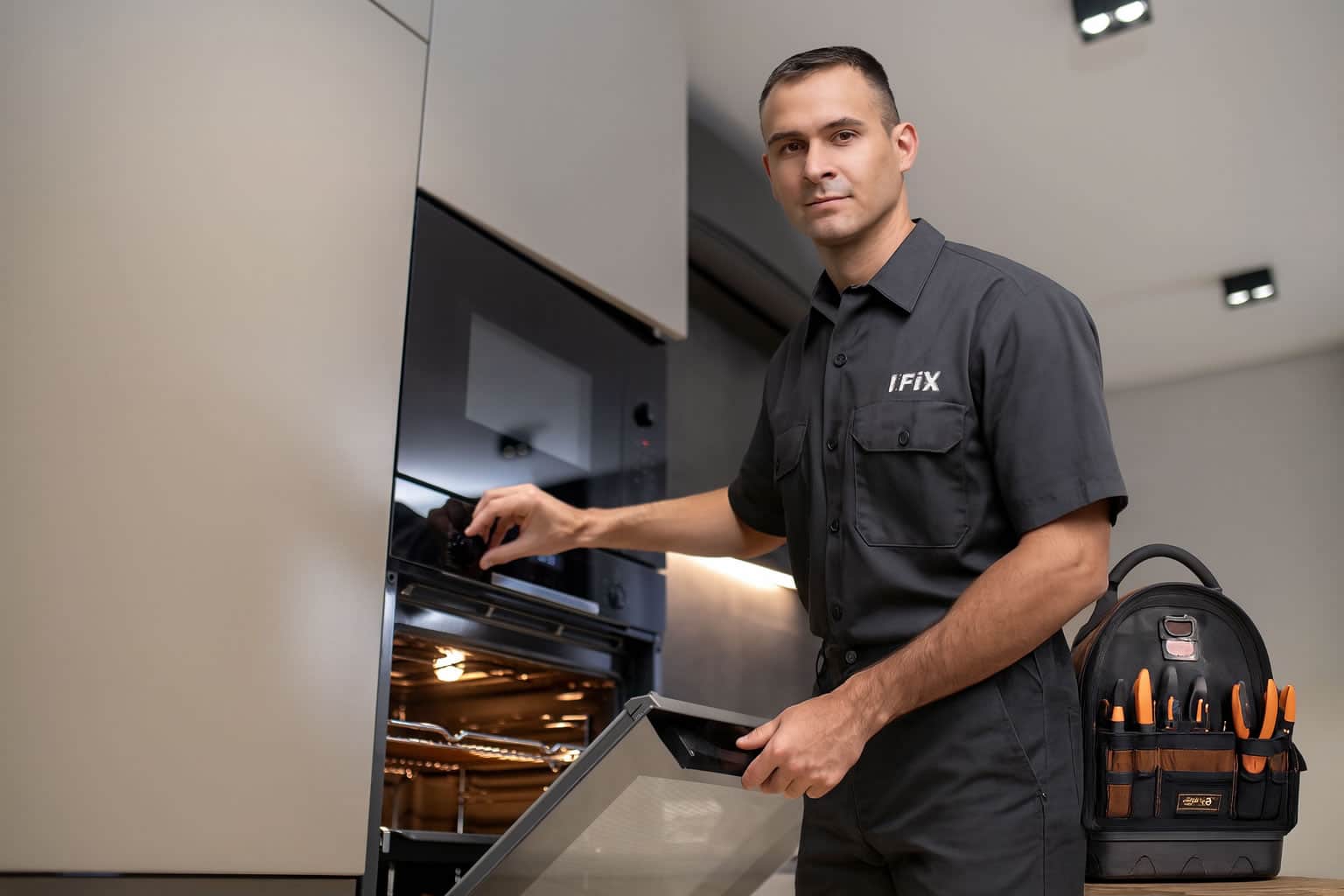
When you call a trained technician, you’re not just getting someone with tools; you’re getting expertise, safety knowledge, training, and years of diagnostic experience.
How Certified Technicians Diagnose Problems
iFiX technicians use professional testing equipment such as:
- Voltage and amperage meters
- Gas leak detectors
- Igniter resistance meters
- Thermostat testing tools
- Manufacturer diagnostic documentation
They follow a structured process: verify the concern, inspect components, test systems, locate the failure, and repair the problem safely.
Common Parts Replaced by Pros
- Igniters
- Heating elements
- Temperature sensors
- Control boards
- Safety valves
- Switches
- Thermostats
- Wiring harnesses
Timeline and What to Expect During a Repair
- A diagnostic visit determines the root problem.
- Many repairs can be completed same visit if parts are available.
- If parts must be ordered, the technician schedules a return appointment.
- Most repairs take 45–90 minutes once parts are in hand.
To understand how we handle these repairs step-by-step, you can visit our oven, stovetop, and range repair page for a full overview.
Gas vs. Electric Oven Repairs: What Every Homeowner Should Know
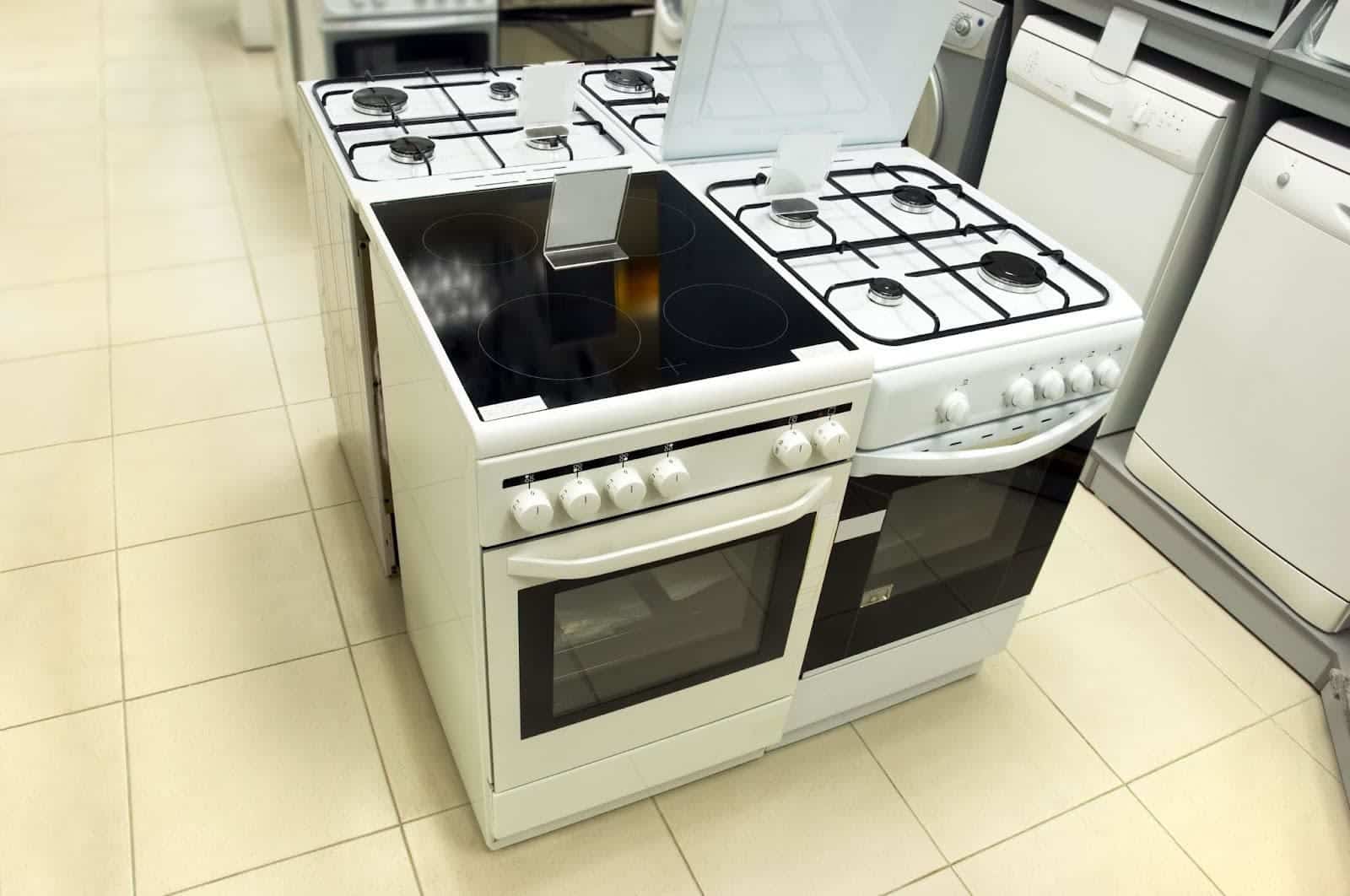
Gas and electric ovens share the same purpose, but their repair needs, common failures, and safety risks differ significantly.
Gas Oven Considerations
- Gas igniters commonly fail
- Safety valves must be professionally tested
- Gas leaks require immediate action
- Flame sensors can become dirty or defective
Electric Oven Considerations
- Heating elements frequently burn out
- Control boards fail due to heat or surges
- Temperature sensors often lose accuracy
- High-voltage wiring requires caution
To compare repair differences in more detail, explore our gas vs. electric oven repair guide.
When to Repair Your Oven vs. Replace It
Not every oven failure means you need a new appliance.
Signs You Should Repair
- The oven is less than 10–12 years old
- Only one part has failed
- The cost of repair is reasonable
- Oven is in otherwise good condition
Signs Replacement Is Better
- Severe control board failure
- Multiple systems failing at once
- Extensive heat or electrical damage
- Parts are discontinued or extremely costly
How to Prevent Future Oven Problems
Consistent maintenance keeps ovens running longer and prevents expensive repairs.
- Keep the interior clean to avoid overworked heating elements
- Avoid harsh chemical cleaners
- Check door gaskets annually
- Keep vents unobstructed
- Schedule routine maintenance
- Fix issues early—small problems worsen quickly
A full breakdown of recommended care steps can be found in our appliance maintenance guide, which covers cleaning tips, scheduling, and long-term upkeep.
Cost, Timelines, and What Homeowners Should Expect

Typical Repair Costs (General Ranges)
- Diagnostics: Varies by area
- Igniter replacement: Common gas repair
- Heating elements: Common electric repair
- Sensors and thermostats: Mid-range
- Control boards: Higher-end repairs
Exact pricing depends on model, parts availability, and overall condition.
How Long Most Repairs Take
- Diagnostics: 20–40 minutes
- Standard repairs: 45–90 minutes
- Return visits (if parts are ordered): Based on availability
Tip: Schedules fill up quickly, especially around holidays. Early booking is the best way to avoid delays.
FAQ: Oven Repair Questions Homeowners Ask Most
Why won’t my oven heat up?
Most ovens fail to heat due to a bad igniter (gas), a burned-out heating element (electric), or a failed temperature sensor. These components are responsible for heat production and regulation.
Is it safe to use an oven that smells like gas?
No. Turn the oven off immediately, ventilate the area, and schedule a professional inspection. Gas odors can indicate a dangerous leak or igniter failure.
Why does my oven take so long to preheat?
Common causes include a weak igniter, a bad heating element, a damaged gasket, or a failing sensor. Any of these reduces the oven’s ability to reach temperature efficiently.
Can I fix an oven igniter myself?
It’s not recommended. Igniters involve electrical current and gas flow—both require certified repair for safety.
How long does an oven repair usually take?
Most repairs take under 90 minutes once parts are available. Diagnostics are usually completed in under 30 minutes.
How do I know if my oven needs a new heating element?
If the element doesn’t glow red, has visible damage, or the oven heats unevenly, it may be failing. A technician can test it for continuity.
Why is my oven temperature inaccurate?
Temperature sensors wear out over time, causing inaccurate readings. Control boards can also misread sensor signals.
Should I replace an oven that’s more than 15 years old?
Often yes. Older units become less efficient, and parts may be harder to find. Repairing major failures on very old ovens isn’t usually cost-effective.
Keep Your Oven Running Safely and Efficiently
Your oven is one of the most used appliances in your home, and small problems can quickly lead to stressful downtime, especially when company is over or dinner is on the line. By understanding how oven issues start, what you can safely fix, and when to call a professional, you can extend the life of your appliance and avoid costly surprises.
If your oven is showing signs of trouble, the experienced team at iFiX Appliance Repair is here to help. To secure the soonest available appointment, especially during busy seasons, book your oven repair service here or visit our oven, stovetop, and range repair page to learn more.
Call (801) 731-4349 or book online. Same-day appointments available.