
Few appliance problems cause as much stress as finding water pooling around your washing machine. A leaking washer can damage flooring, walls, and nearby cabinets if left unchecked, and it often signals an underlying problem that needs attention.
While some leaks are caused by simple issues, others point to worn components or mechanical failure. Understanding where the water is coming from and why it’s happening can help you take the right next step before the problem gets worse.
If your washer has started leaking, learning how common washing machine problems develop can help you determine whether it’s a quick fix or something that needs professional attention.
Why Washing Machines Start Leaking
A washing machine uses a large amount of water during every cycle, which means even small failures can lead to noticeable leaks. Most leaks occur because a seal, hose, or internal component has worn out or become blocked.
Common causes include:
- Loose or damaged hoses
- Worn door seals
- Clogged drain systems
- Overloading
- Internal component failure
In many cases, leaks don’t start suddenly. They develop slowly and worsen over time if ignored.
Common Places Washing Machines Leak From
Leaks From the Front of the Washer
If you notice water pooling near the front of the machine, the most likely cause is a damaged or dirty door seal.
This is especially common with front-load washers, where moisture collects around the rubber gasket. Over time, this can lead to:
- Cracks or tears in the seal
- Mold or debris buildup
- Poor door closure
Even small gaps in the seal can allow water to escape during the wash or spin cycle.
Leaks From the Back of the Washer
Water coming from the back of the washer is often related to hoses or connections.
Common causes include:
- Loose water inlet hoses
- Cracked or aging hoses
- Improper installation
- Worn hose washers
These issues are usually easy to spot and can often be corrected quickly if caught early.
Leaks From Underneath the Washer
Water leaking from underneath the machine typically indicates a more serious issue.
Possible causes include:
- A failing drain pump
- Damaged internal hoses
- Leaking tub seal
- Cracked outer tub
When water appears beneath the washer, it often means an internal component is failing and should be addressed promptly.
Why Leaks Often Happen During the Spin Cycle
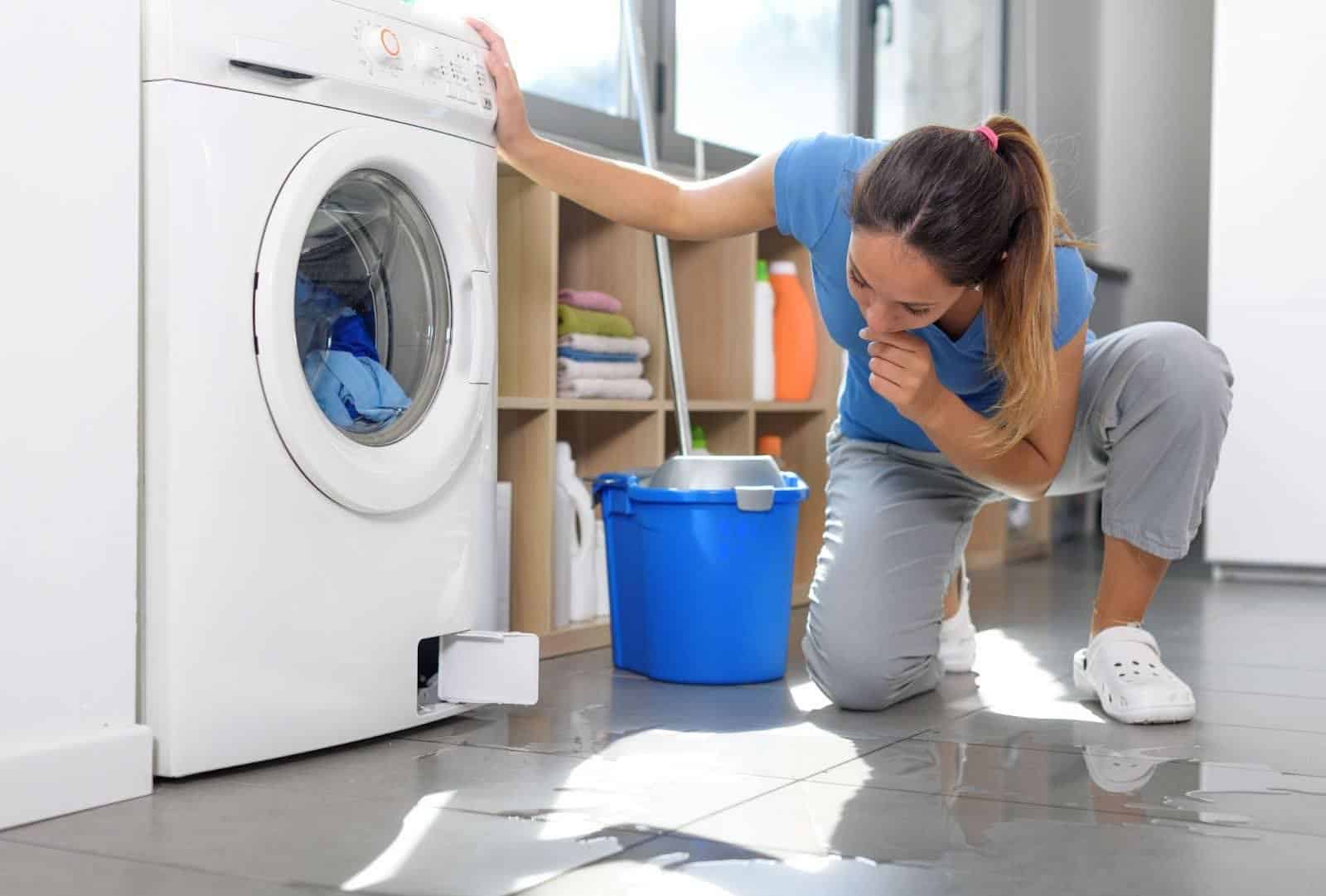
Many homeowners notice leaks during or after the spin cycle. This is because spinning places the most stress on the washer’s internal components.
During high-speed spinning:
- Water is forced outward
- Seals are under maximum pressure
- Hoses and pumps work harder
- Weak components are more likely to fail
If your washer is leaking during spin, it may also be related to balance or drainage issues. In some cases, this occurs when a washing machine isn’t spinning properly, causing water to remain in the drum or overflow.
What You Can Safely Check at Home
Before calling for service, there are a few things you can safely inspect:
- Check inlet hoses for cracks or loose connections
- Inspect the door seal for debris or visible damage
- Make sure the washer is level
- Look for water residue under the machine
- Verify the drain hose is properly positioned
If the leak continues after these checks, the issue is likely internal and should be inspected by a professional.
Why You Shouldn’t Ignore a Leaking Washer
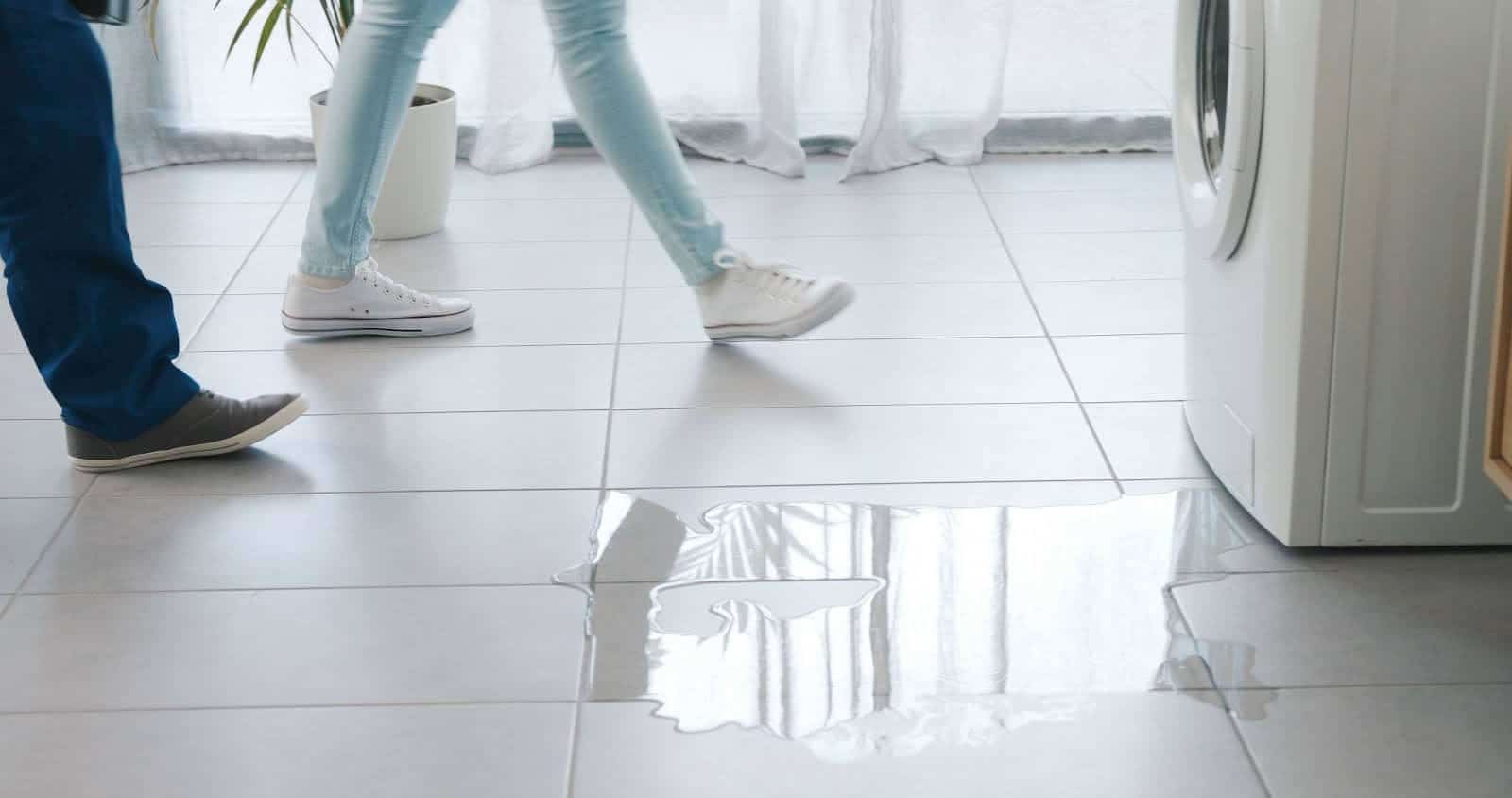
Even small leaks can cause serious damage over time. Water exposure can lead to:
- Mold growth
- Warped flooring
- Structural damage
- Electrical hazards
- Corrosion of internal components
In many cases, what starts as a slow drip turns into a costly repair if left unaddressed.
When to Call a Professional
You should seek professional help if:
- Water continues leaking after basic checks
- The washer leaks only during certain cycles
- You hear unusual noises along with leaking
- The machine stops mid-cycle
- Water appears underneath the washer
At this stage, professional washing machine repair is often the safest and most effective way to prevent further damage and determine whether the washer can be repaired or needs replacement.
How Long a Washer Should Last Without Leaks
On average:
- Top-load washers last 10–14 years
- Front-load washers last 8–12 years
However, lifespan depends on:
- Frequency of use
- Maintenance habits
- Load size
- Water quality
- How quickly leaks are addressed
A well-maintained washer can operate for years without leaking, but neglected issues dramatically shorten its lifespan.
When Small Leaks Become Big Problems
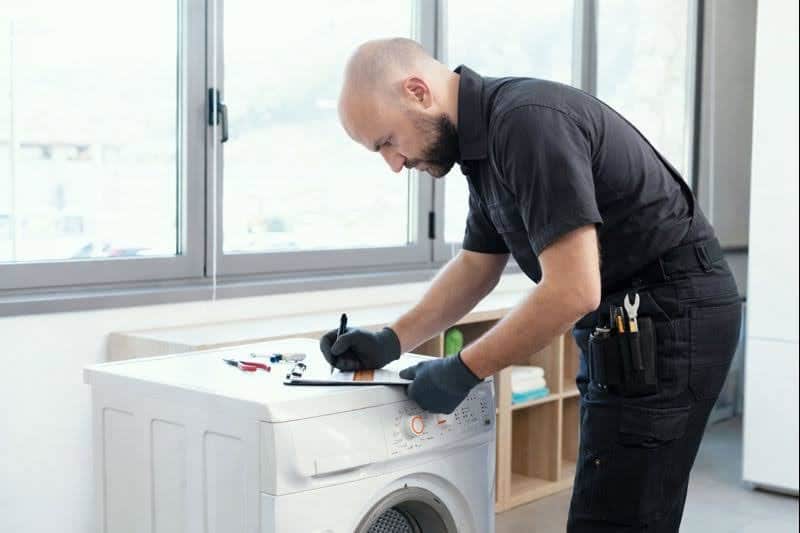
Most washer leaks don’t start as floods. They begin with minor drips, damp flooring, or occasional moisture around the base of the unit.
Over time, those small leaks:
- Weaken seals
- Damage internal components
- Increase repair costs
- Create safety hazards
If your washing machine isn’t performing the way it used to, addressing a leak early can save you from major repairs or replacement.
In many cases, scheduling professional washing machine repair at the first sign of leaking is the best way to protect both your appliance and your home.
Call (801) 731-4349 or book online. Same-day appointments available.