
A washing machine rarely fails without warning. Most problems start quietly, like a strange noise, a cycle that takes longer than usual, or clothes that come out wetter than expected. Then one day, the washer won’t spin, water is pooling on the floor, or the machine refuses to start altogether.
For homeowners, washing machine issues often feel sudden and frustrating. But in reality, many of these problems build up over time. Small inefficiencies turn into mechanical strain, worn components, and eventually full breakdowns. Understanding what your washer is trying to tell you, knowing when to act, and recognizing when professional repair makes sense can save you money, prevent damage, and extend the life of your appliance.
This guide walks through how washing machines work, the most common problems homeowners face, what causes them, how to prevent them, and when it’s time to call in a professional.
How Washing Machines Actually Work (And Why Problems Happen)
Most homeowners use their washer several times a week without ever thinking about what’s happening inside it. But understanding the basics makes it much easier to recognize when something isn’t right.
A washing machine operates through a series of coordinated steps:
- Water enters through the inlet valves
- Detergent mixes with water in the drum
- Agitation or rotation loosens dirt from fabrics
- Water drains from the tub
- High-speed spinning removes excess moisture
Each of these steps relies on separate components working together, such as motors, pumps, belts, sensors, valves, and electronic controls. If even one of these parts begins to fail, it can affect the entire cycle.
This is why problems often appear unrelated at first. A washer that won’t spin may actually be reacting to a drainage issue. A leak may be caused by excessive vibration. A loud noise could be a sign of internal wear that hasn’t yet caused a failure.
Understanding this interconnected system helps explain why early intervention matters.
The Most Common Washing Machine Problems Homeowners Experience
When Your Washer Won’t Spin or Drain
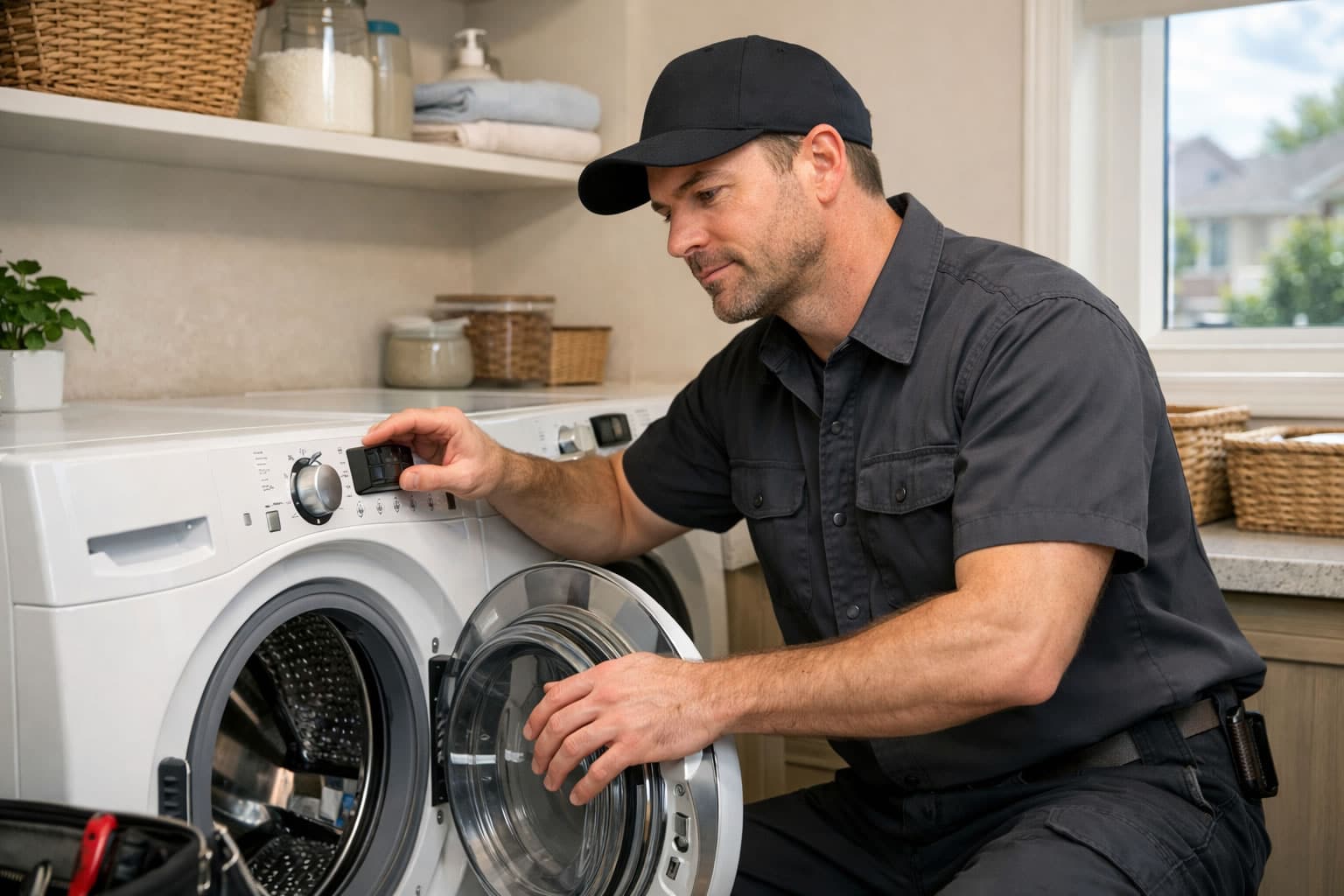
A washer that won’t spin or drain is one of the most common service calls technicians receive. This issue usually shows up as:
- Clothes left soaking wet
- Water remaining in the tub
- A cycle that stops before finishing
- Error codes or flashing lights
Common causes include:
- A worn or broken drive belt
- A faulty lid or door switch
- A clogged or failing drain pump
- Motor or control board issues
- An unbalanced load triggering a safety shutoff
In many cases, the washer is doing exactly what it was designed to do, stopping to prevent further damage.
If you’re experiencing this problem, this guide on why your washing machine won’t spin and what to do about it explains the most common causes and next steps.
Strange Noises During a Wash Cycle
No washing machine is completely silent, but certain sounds should never be ignored.
Common warning noises include:
- Grinding or scraping: often caused by worn bearings or foreign objects
- Banging or thumping: usually an unbalanced load or suspension issue
- Squealing: commonly linked to belt or motor problems
- Rattling: loose components or debris in the drum
Noise is one of the earliest warning signs of mechanical wear. Ignoring it can lead to more extensive damage and higher repair costs.
If your washer has started sounding unusual, this guide on what different washing machine noises mean breaks down what each sound typically indicates.
Water Leaking Around the Washer
Water leaks are one of the most stressful washer problems for homeowners and for good reason. Even a small leak can cause significant damage over time.
Leaks are commonly caused by:
- Cracked or loose inlet hoses
- Worn door gaskets
- Faulty drain pumps
- Damaged internal seals
- Overfilling due to sensor failure
Because washing machines use large volumes of water, leaks can quickly damage flooring, baseboards, drywall, and subflooring.
If you notice moisture or pooling water, this article on what causes a washer to leak and how to fix it explains the most common sources and why early repair matters.
Front-Load vs. Top-Load Washers: Which Breaks Down More?
Choosing between a front-load and top-load washer often comes down to efficiency and convenience, but each design has its own reliability considerations.
Front-Load Washers
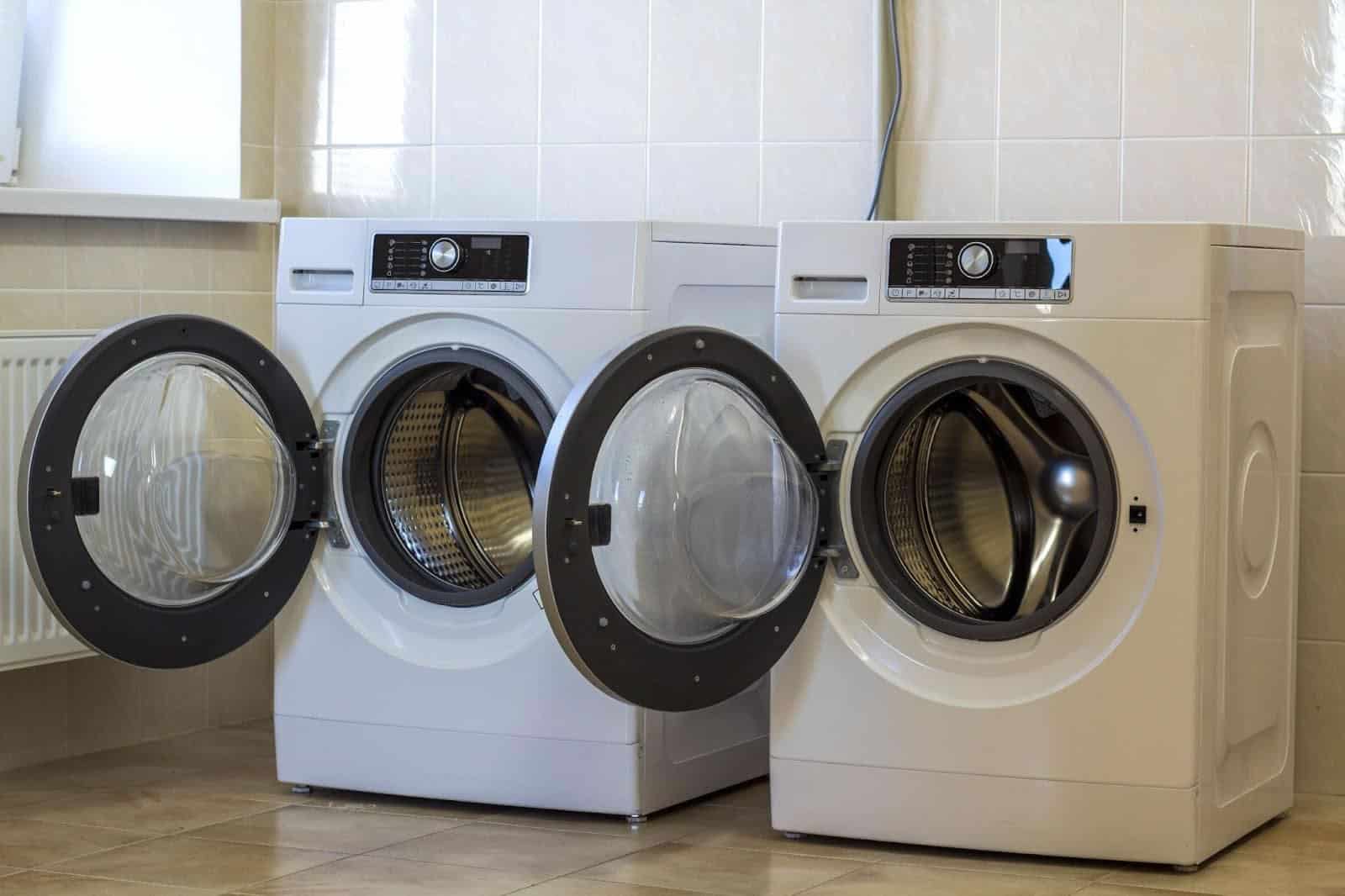
Front-load washers are known for:
- Better water efficiency
- Gentler washing action
- Higher spin speeds
However, they are also more prone to:
- Door seal mold and mildew
- Drainage problems
- Sensor and control board failures
Top-Load Washers
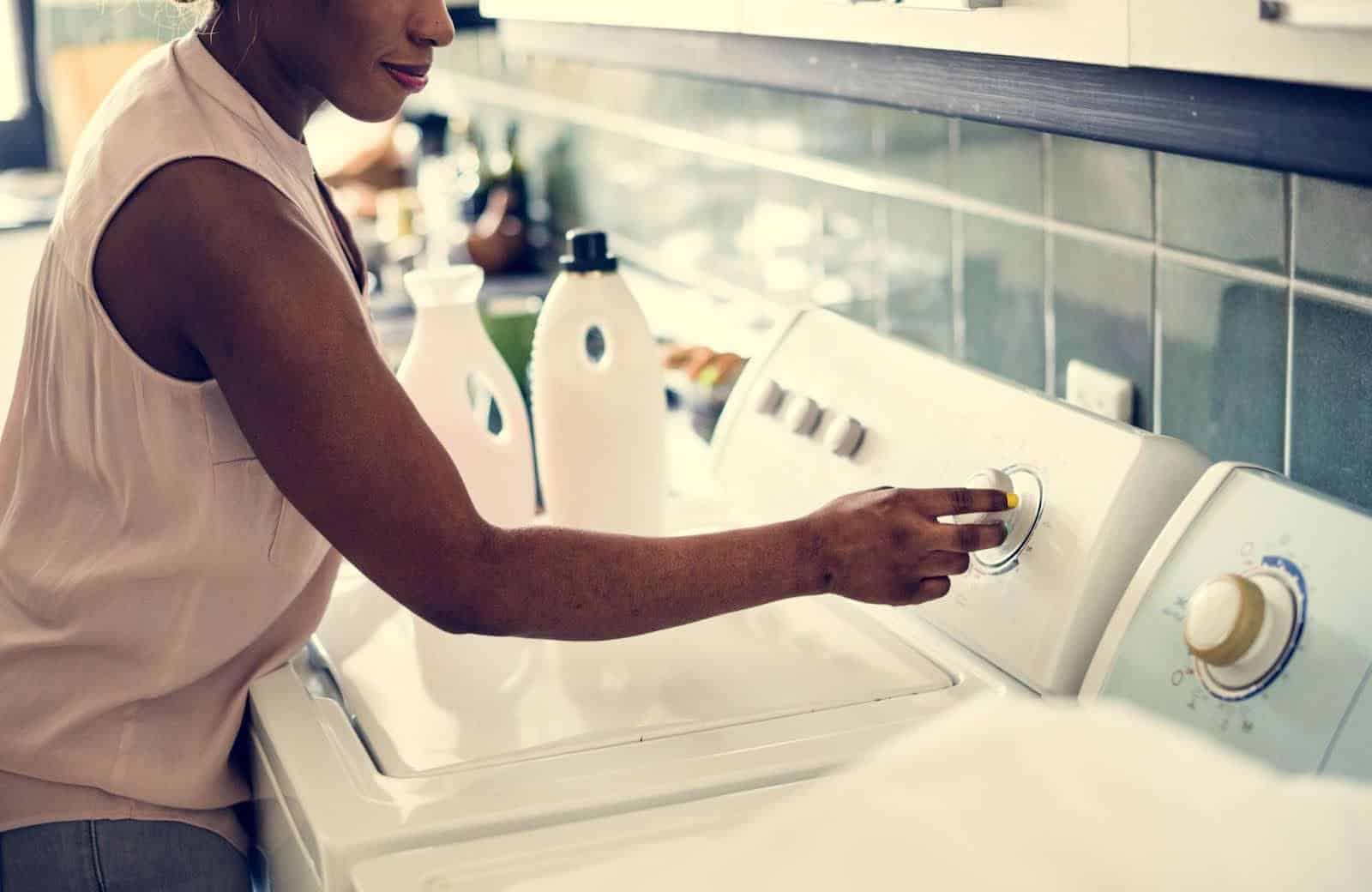
Top-load washers are generally:
- Simpler in design
- Easier to repair
- More forgiving with load size
However, they can experience:
- Agitator or suspension wear
- Motor strain from heavy loads
- Balance issues over time
Neither option is inherently better, but they fail in different ways. Understanding those differences helps homeowners know what to watch for.
For a deeper comparison, this article on front-load vs. top-load washers and which breaks down more often explains the pros and cons of each.
What Actually Causes Washing Machine Breakdowns?
Overloading the Washer
Consistently overloading your washer puts excess stress on the motor, bearings, and suspension system.
Detergent and Mineral Buildup
Using too much detergent or living in a hard water area can cause residue buildup inside hoses, pumps, and valves.
Skipped Maintenance
Dirty filters, worn hoses, and unbalanced machines slowly degrade performance.
Normal Wear and Tear
Even well-maintained machines eventually wear out. Belts stretch, bearings wear down, and electronic components age.
Hidden Warning Signs Your Washer Is About to Fail
Most washing machine failures don’t happen suddenly. In many cases, the machine gives subtle warnings long before a complete breakdown occurs. These early signs are easy to overlook, especially if the washer still seems to be working “well enough.”
Watch for these common warning signs:
- Clothes taking longer to dry, even after a full spin cycle
- Wash cycles running longer than normal or stopping unexpectedly
- Water left in the drum after a cycle finishes
- Increased vibration or shaking, especially during spin
- Occasional burning or electrical smells
- Intermittent error codes that appear and disappear
These symptoms often show up weeks or even months before a major failure. While the washer may still operate, internal components are usually under extra strain. Catching these signs early can prevent more serious damage and keep repair costs lower.
What Happens If You Keep Using a Failing Washer
When early warning signs are ignored, the problem usually doesn’t stay small. As one component struggles to function, other parts are forced to compensate, and that added stress can lead to cascading failures.
Over time, continued use can result in:
- Motor overheating, which may permanently damage internal components
- Electrical shorts, often caused by moisture or worn wiring
- Bearing failure, leading to loud operation or complete drum failure
- Structural damage to the tub or frame, especially from vibration
- Water damage to floors and surrounding areas, which can become expensive to repair
What might have started as a minor adjustment or small part replacement can quickly turn into a much larger repair or even the need for full replacement if the washer continues to run in poor condition.
Addressing issues early helps protect the appliance, reduce repair costs, and avoid unnecessary damage to your home.
DIY vs. Professional Repair: How to Decide
Some washing machine issues are simple and safe for homeowners to address, while others require professional attention. Knowing where that line is can save you time, money, and frustration.
Tasks Most Homeowners Can Handle
You can usually take care of basic maintenance, such as:
- Cleaning the drum to remove buildup or odors
- Checking hoses for visible leaks or cracks
- Redistributing unbalanced loads
- Cleaning detergent drawers or filters
These steps help keep your washer running efficiently and can prevent minor issues from becoming larger problems.
When It’s Time to Call a Professional
You should contact a technician if:
- The washer leaks internally
- You smell burning or electrical odors
- The breaker trips during operation
- Error codes continue to appear
- The machine won’t spin or drain properly
At this point, the issue usually goes beyond routine maintenance. Attempting further troubleshooting can make the problem worse or create safety concerns. A professional inspection ensures the issue is diagnosed correctly and resolved without causing additional damage.
iFiX Appliance Parts Store
Having access to the correct replacement parts makes a major difference in repair success.
The iFiX Appliance Parts Store in Ogden offers dependable, high-quality replacement parts for major household appliances and serves homeowners and technicians throughout Northern Utah.
To ensure the correct part is provided the first time, customers are encouraged to bring:
- The appliance’s model number
- The serial number
- The brand name
The parts store supports repairs for:
- Washing machines
- Dryers
- Refrigerators
- Dishwashers
- Ranges and ovens
Backed by the experience of the iFiX Appliance Repair team, the parts store helps eliminate guesswork and ensures repairs are done correctly the first time.
Washer Maintenance by Age: What to Expect
Years 1–3
- Routine cleaning
- Hose inspections
- Avoid overloading
Years 4–7
- Monitor for vibration
- Clean internal components
- Watch for noise changes
Years 8–12
- Increased risk of failure
- Evaluate repair vs replacement
- Monitor for leaks and electrical issues
Understanding your washer’s age helps you plan ahead and avoid surprises.
When You Should Stop Using Your Washer Immediately
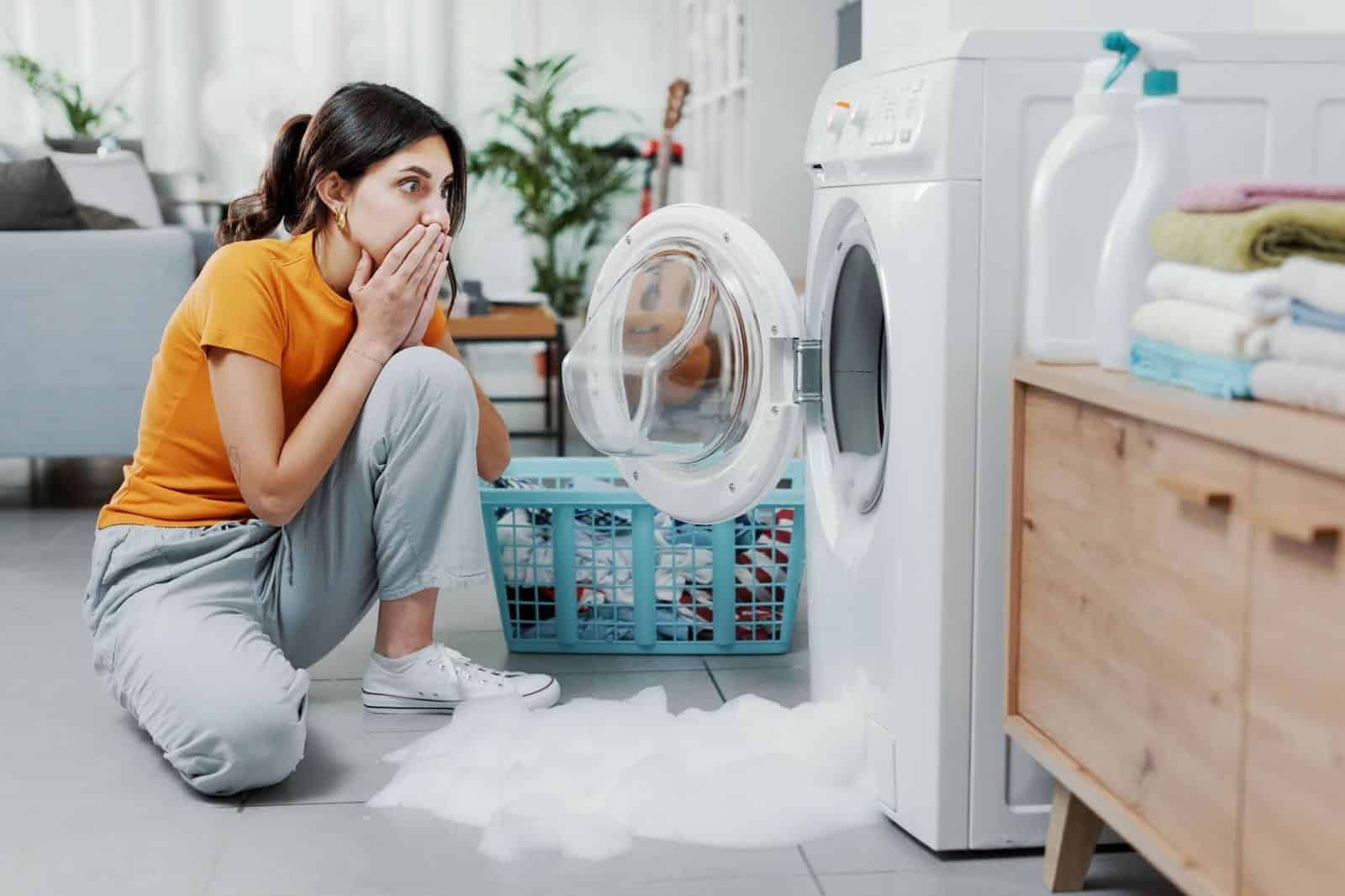
Some washing machine problems aren’t just inconvenient. They can be unsafe. If you notice any of the warning signs below, it’s important to stop using the washer right away and have it inspected before continuing.
Stop using your washer if you notice:
- Burning smells
- Electrical sparks
- Loud metal-on-metal sounds
- Water pooling underneath
- Repeated breaker trips
Continuing to operate a washer under these conditions can lead to serious damage, electrical risks, or costly repairs. Shutting the machine off and addressing the problem early is the safest way to protect both your appliance and your home.
Why Professional Washing Machine Repair Matters
Modern washing machines are far more advanced than they appear. Between electronic control boards, sensors, motors, and water management systems, diagnosing problems correctly requires more than just trial and error.
Professional technicians are trained to:
- Identify the true cause of a problem, not just the visible symptom
- Use manufacturer-approved parts designed for your specific model
- Prevent repeat failures by addressing underlying issues
- Ensure safe operation after repairs are completed
Because today’s washers rely heavily on electronics and tightly integrated components, incorrect repairs can easily lead to further damage or safety risks. A professional evaluation ensures the repair is done the first time correctly, protecting both your appliance and your home.
If you want to learn more about professional service options, you can visit the washing machine repair services page for additional details.
Waiting to Fix Your Washer Often Makes Things Worse
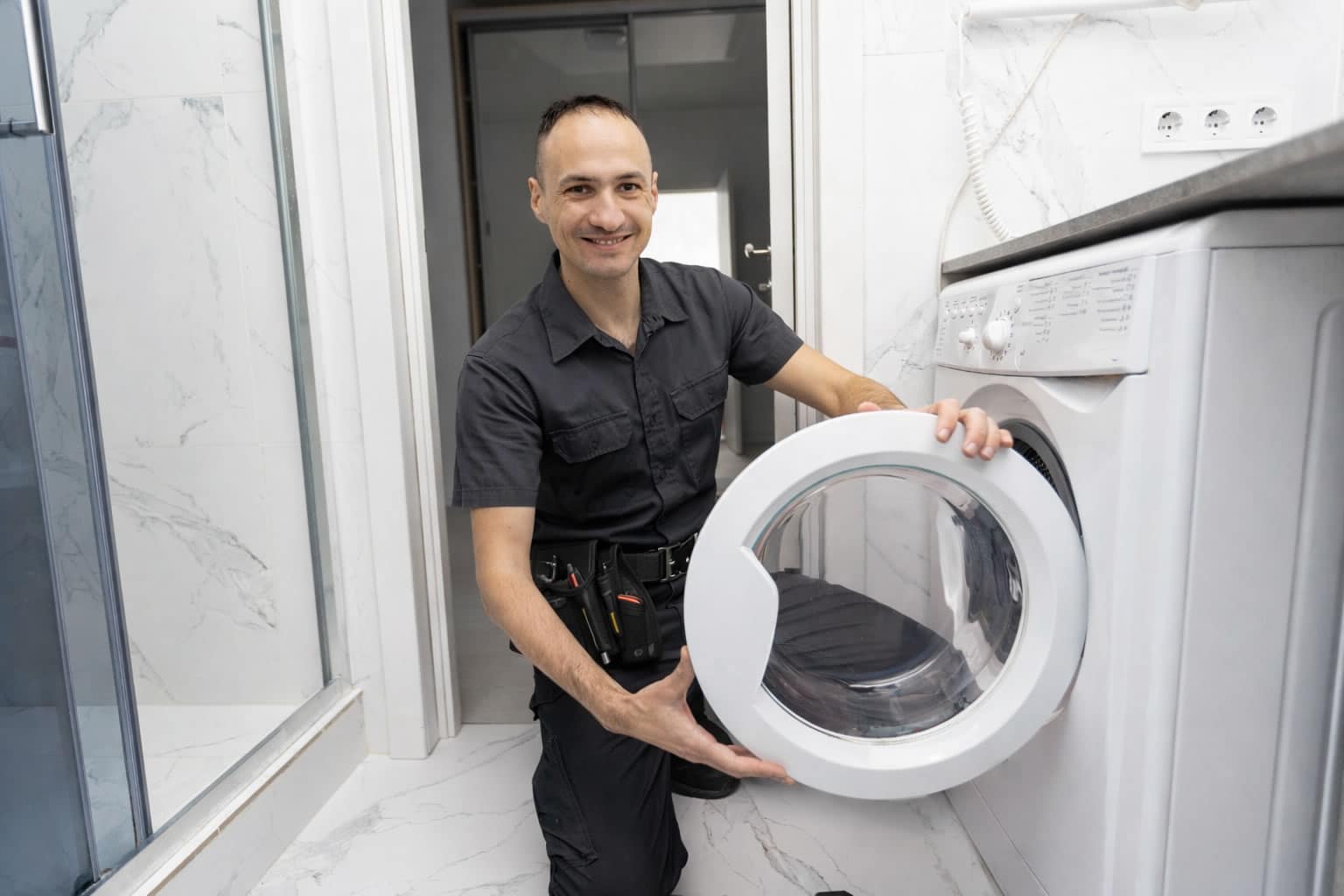
When it comes to washing machine problems, time is rarely your friend. What starts as a minor inconvenience can quickly escalate if the underlying issue isn’t addressed.
Delaying repairs often leads to:
- Higher repair costs, as worn parts place stress on surrounding components
- Longer downtime, especially if multiple parts fail or need to be ordered
- Limited appointment availability, particularly during busy service periods
- More extensive internal damage, increasing the risk of full appliance failure
A washer that’s struggling to operate is often compensating for a hidden problem. The longer it runs in that condition, the more strain it puts on critical components.
Scheduling service early allows problems to be addressed while they’re still manageable, helping you avoid unnecessary repairs and extended disruptions to your routine.
Frequently Asked Questions
Why won’t my washing machine spin?
Usually caused by a faulty lid switch, belt issue, or drainage problem.
Is it safe to use a washer making loud noises?
No. Loud noises often indicate mechanical problems that can worsen quickly.
How long does a washing machine last?
Most washers last between 8 and 12 years with proper care.
What causes washing machines to leak?
Common causes include worn hoses, damaged seals, and pump failures.
Should I repair or replace my washer?
If it’s under 10 years old and repair costs are reasonable, repair is usually the better option.
How soon should I schedule repairs?
As soon as you notice a problem. Early action prevents larger failures.
Can I fix washing machine problems myself?
Basic maintenance is fine, but mechanical and electrical repairs should be handled by professionals.
When a Small Washer Problem Becomes a Big One
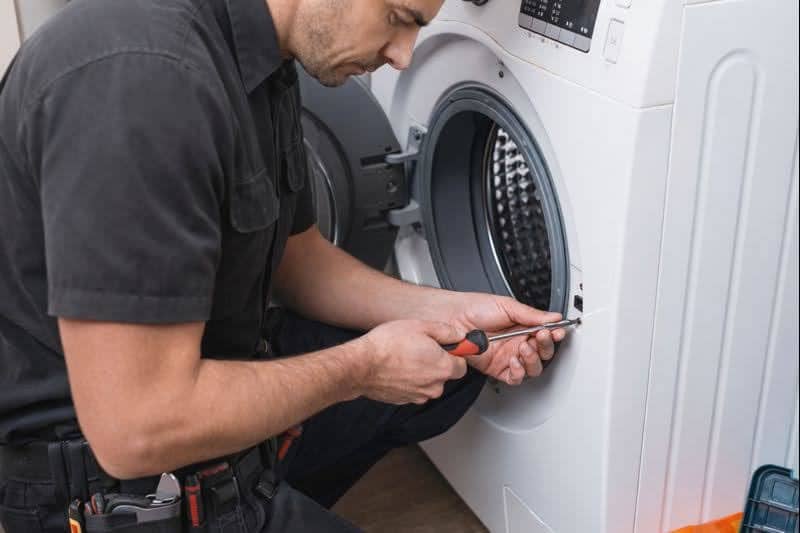
Most washing machine failures don’t start with a dramatic breakdown. They start quietly.
A new sound you ignore.
A cycle that runs a little longer than usual.
A small leak you plan to deal with later.
At first, everything still seems to work, so it’s easy to put off. But over time, those small issues place added strain on the machine. Components wear down faster. Minor problems turn into major ones. And what could have been a simple repair becomes a costly interruption to your routine.
That’s how many homeowners end up facing unexpected downtime or full replacements, not because the problem was severe at the beginning, but because it was left unaddressed.
If your washer isn’t working the way it used to, that’s usually your sign to act. Getting it checked early gives you more options, lower repair costs, and far less disruption to your home.
If something feels off, the best next step is to schedule your washing machine repair before a small issue turns into a major one.
Call (801) 731-4349 or book online. Same-day appointments available.