A washing machine is one of the hardest-working appliances in your home. Between daily loads, heavy fabrics, and constant exposure to moisture, it’s under more stress than most people realize. The good news is that with proper care, most washing machines can last well beyond their expected lifespan.
Knowing how to care for your washing machine, recognize early warning signs, and avoid common mistakes can help prevent breakdowns, reduce appliance repair costs, and keep your appliance running efficiently for years to come.
If your washer has already started acting up, understanding how washing machine problems develop can also help you decide what steps to take next.
Why Washing Machines Fail Sooner Than They Should
Most washing machines don’t fail suddenly. In many cases, breakdowns happen because of ongoing wear that goes unnoticed or routine maintenance that’s skipped.
The most common causes of early washer failure include:
- Overloading
- Poor drainage
- Excess detergent use
- Ignoring unusual noises
- Skipping basic maintenance
Over time, these issues strain internal components like the motor, bearings, suspension system, and pump. The result is reduced performance, higher energy use, and eventually, failure.
Use the Right Load Size Every Time
Overloading is one of the fastest ways to shorten the life of a washing machine.
When a washer is overloaded:
- The motor has to work harder
- The drum becomes unbalanced
- Suspension components wear faster
- Bearings and seals experience excess strain
Even if your washer seems to handle large loads, repeated overloading causes gradual damage that adds up over time.
A good rule of thumb is to leave enough space at the top of the drum to fit your hand comfortably. Clothes should be able to move freely during the wash cycle. If you notice excessive shaking or banging, your machine is likely struggling with balance.
Don’t Use Too Much Detergent
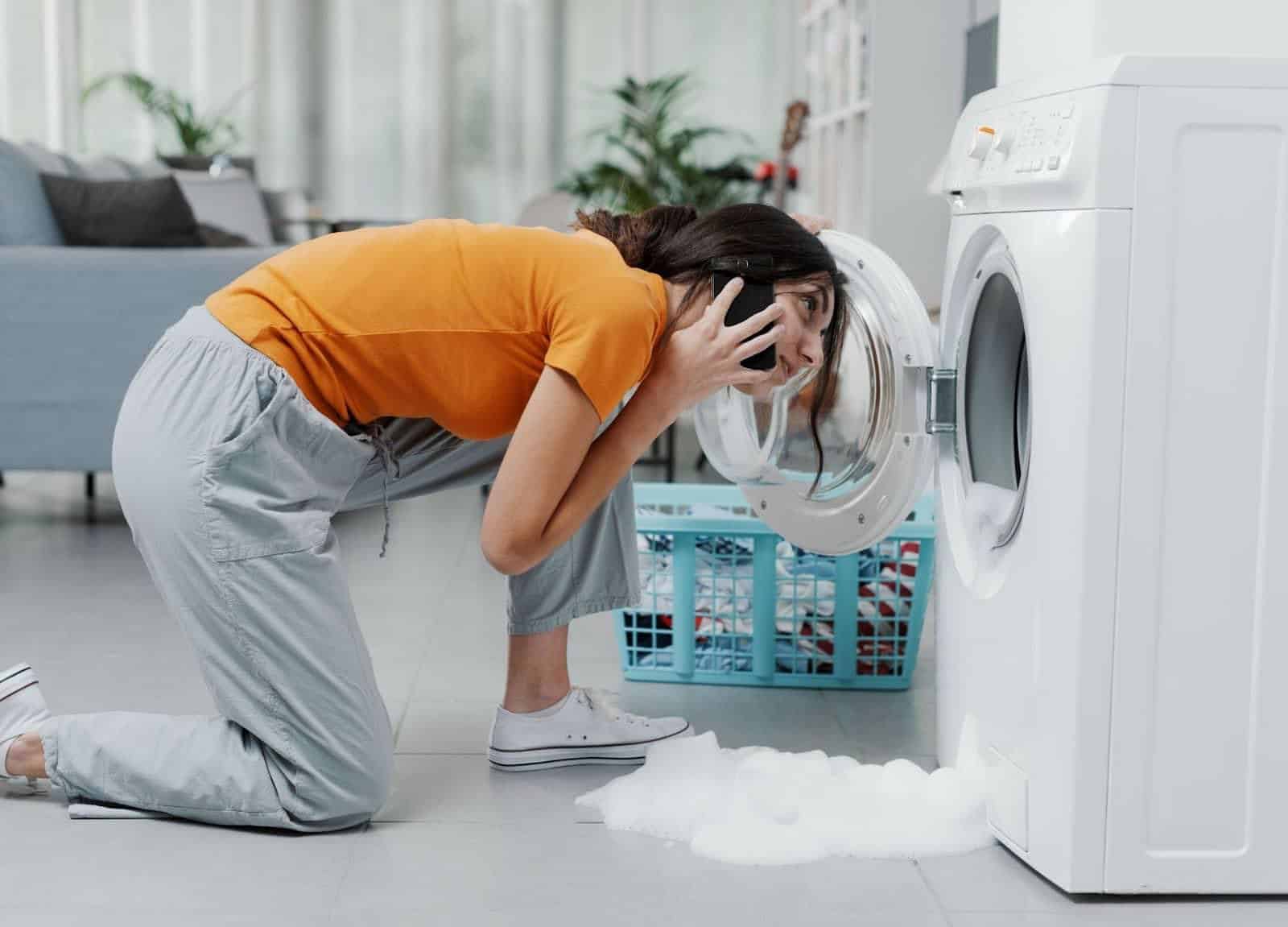
More detergent does not mean cleaner clothes. Using too much detergent can cause:
- Soap buildup inside hoses and pumps
- Residue on clothing
- Poor rinsing performance
- Excess moisture retention
This buildup can interfere with sensors, clog drainage systems, and lead to odors or mold growth, especially in front-load washers.
Using the manufacturer-recommended amount of detergent helps prevent unnecessary strain on the machine and keeps internal components cleaner.
Keep the Washer Clean and Dry
Moisture is one of the biggest enemies of a washing machine. This is especially vital for front-load machines, which are prone to door seal and moisture issues. To reduce wear and prevent odor:
- Leave the door or lid open after use
- Wipe down the door seal regularly
- Clean detergent drawers monthly
- Run a cleaning cycle as recommended
This is especially important for front-load washers, which are more prone to moisture buildup around the door gasket.
Neglecting this simple step can lead to mold, corrosion, and premature component failure.
Pay Attention to Unusual Sounds
Noises are often the first sign that something isn’t right. If your washing machine begins to:
- Bang or thump during spin cycles
- Grind or scrape
- Squeal or whine
- Vibrate more than usual
It may indicate worn bearings, suspension issues, or motor strain. Addressing these sounds early can prevent more serious damage.
If the noise is persistent or worsening, it may help to review common washing machine problems and how they typically progress.
Keep the Washer Level
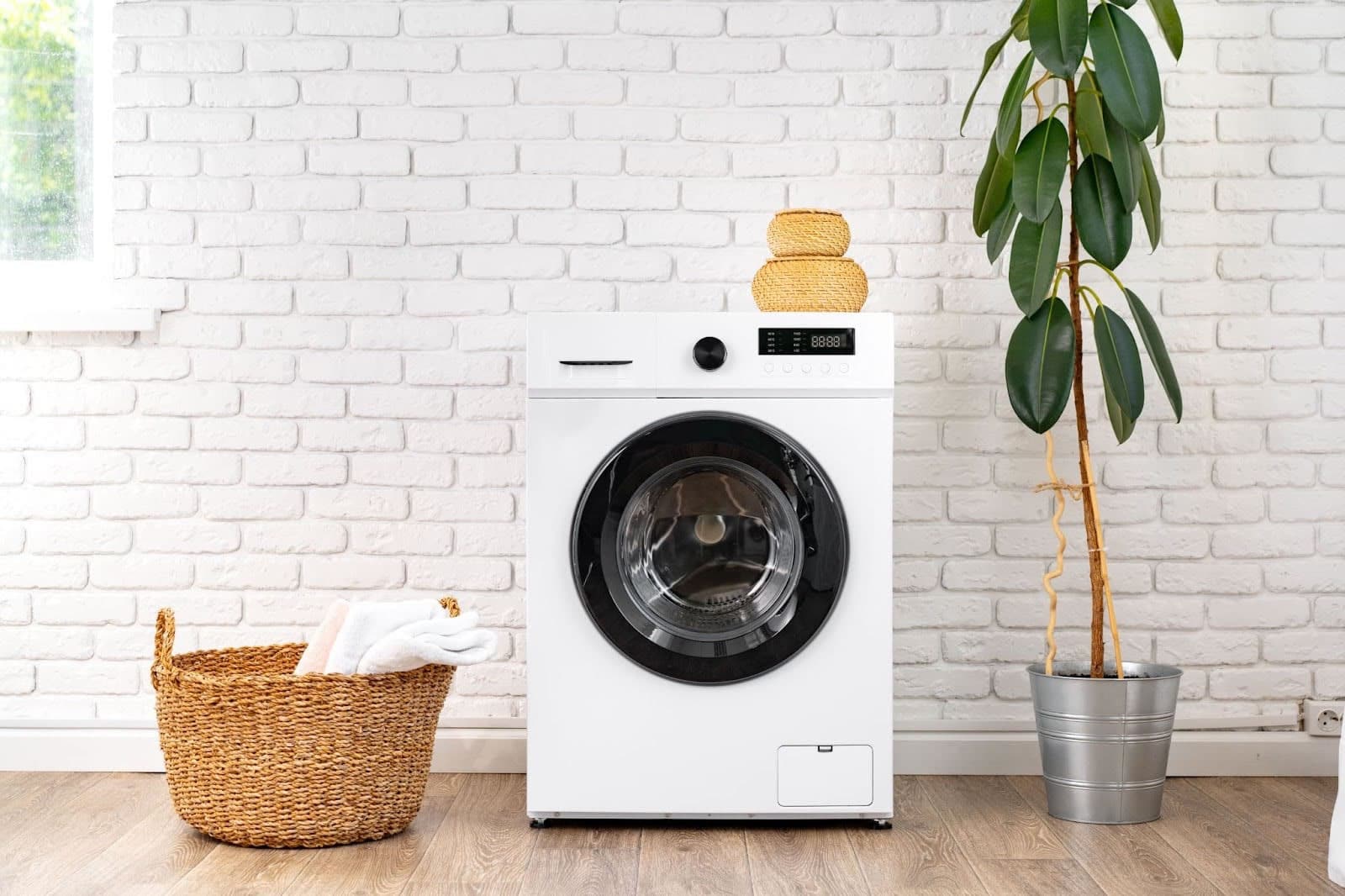
A washer that isn’t level places constant stress on internal components. An unlevel machine can cause:
- Excessive vibration
- Suspension wear
- Uneven spinning
- Frame damage
If your washer moves or shakes during operation, check the leveling feet and adjust them as needed. This simple step can significantly extend the life of the appliance.
Clean the Drain System Regularly
Drainage issues are one of the most common causes of washer failure. To prevent problems:
- Check and clean the drain filter
- Inspect hoses for kinks or buildup
- Remove lint or debris when visible
Poor drainage forces the pump to work harder, increasing wear and raising the risk of failure. It can also prevent the washer from entering the spin cycle properly.
If you notice standing water or frequent draining issues, it may be a sign your washing machine isn’t spinning properly, which often points to pump or drainage problems.
Avoid Ignoring Small Issues
Many major washing machine repairs start as small, easily fixable problems. Common early warning signs include:
- Longer cycle times
- Slight vibration
- Occasional noise changes
- Clothes not fully spun out
Ignoring these symptoms allows stress to build up in internal parts. What could have been a simple repair can turn into a costly replacement if left unresolved.
When Maintenance Isn’t Enough
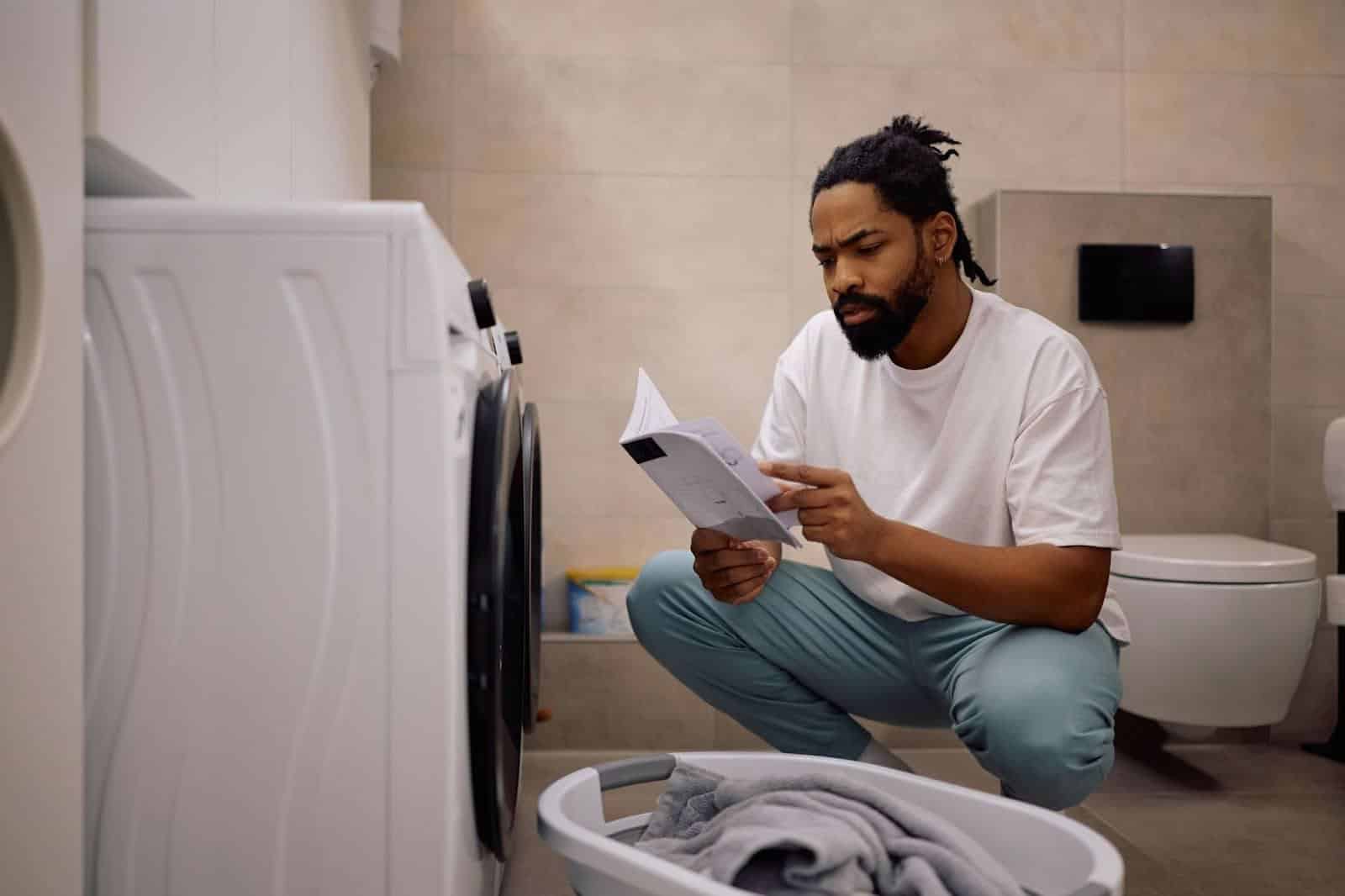
Even with good care, washing machines eventually wear out. Components like motors, bearings, and control boards have a finite lifespan.
If your washer:
- Stops mid-cycle
- Fails to drain or spin
- Makes loud mechanical noises
- Trips breakers
- Shows recurring error codes
It may be time for a professional evaluation.
At that point, professional washing machine repair is often the safest and most cost-effective way to determine whether the unit can be restored or if replacement makes more sense.
How Long Should a Washing Machine Last?
On average:
- Top-load washers last 10–14 years
- Front-load washers last 8–12 years
However, lifespan depends heavily on:
- Frequency of use
- Maintenance habits
- Load size
- Water quality
- How quickly issues are addressed
A well-maintained washer can easily outlast these averages.
When Small Problems Become Expensive Repairs
Most washer failures don’t happen overnight. They begin with subtle changes that are easy to ignore — a new noise, a longer cycle, or a slight vibration.
Over time, those small issues place additional stress on internal components. Eventually, something gives way, often leading to higher repair costs or total failure.
If your washing machine isn’t performing the way it used to, addressing the issue early can make a significant difference. In many cases, scheduling professional washing machine repair before a breakdown occurs is the best way to extend the life of your appliance and avoid unexpected downtime.
Call (801) 731-4349 or book online. Same-day appointments available.