
A washing machine should make some noise during normal operation, but it should never sound like it’s struggling, grinding, or about to break apart. If your washing machine has started making loud or unusual noises, it’s often a sign that something inside isn’t working the way it should.
In many cases, noise is one of the earliest warning signs of a developing issue. Understanding what those sounds mean can help you decide whether it’s a simple fix or time to call in a professional.
If you’re noticing unusual behavior, it can help to understand how different washing machine problems develop over time and what they usually indicate.
Why Washing Machines Start Making Noise
Every washing machine produces some sound while running. Water movement, spinning, and draining are all normal parts of the cycle.
What isn’t normal is:
- Sudden loud banging
- Grinding or scraping
- High-pitched squealing
- Repetitive rattling
These noises typically point to wear, imbalance, or failing internal components.
Common Washing Machine Noises and What They Mean
Grinding or Scraping Sounds
Grinding or scraping noises are often one of the clearest signs that something inside the washing machine is wearing out or obstructed. In many cases, these sounds are caused by worn drum bearings, which allow metal components to rub together during operation. Over time, this friction can worsen, leading to louder noise, rough spinning, and eventual failure of the drum assembly.
Another common cause is foreign objects, such as coins, buttons, or small hardware, that have slipped past the drum and become lodged between the inner and outer tub. As the washer spins, these items scrape against metal surfaces, creating a harsh grinding sound that can damage internal components.
If this type of noise is ignored, it can lead to serious issues such as motor strain, drum misalignment, or even a cracked tub. What starts as a minor sound can quickly escalate into a costly repair or full machine replacement. Addressing grinding or scraping noises early helps protect the washer’s internal components and prevents more extensive damage down the line.
Banging or Thumping During the Spin Cycle
If your washer sounds like it’s shaking violently or slamming against the sides of the laundry room, the issue is often related to balance or suspension problems. This can happen when heavy items, such as towels or blankets, shift to one side of the drum and throw the washer off balance. In response, the machine may attempt to correct itself by slowing down, pausing, or repeatedly restarting the spin cycle.
This issue is especially common when a washing machine isn’t spinning properly, since modern washers are designed to detect imbalance and automatically reduce spin speed to prevent internal damage. While this safety feature helps protect the appliance, it can also be a sign that suspension components are wearing out or that the washer is no longer stabilizing loads as it should.
Over time, repeated banging or thumping can place stress on the drum, motor mounts, and frame of the machine. If the noise continues even with evenly distributed loads, it may indicate worn suspension rods, damaged shock absorbers, or a washer that is no longer level. Addressing the issue early can prevent further damage and help avoid more costly repairs down the line.
Squealing or High-Pitched Noises
High-pitched sounds usually come from:
- A worn drive belt
- Motor strain
- Misaligned pulleys
These noises are often a sign that one or more moving components inside the washing machine are under stress. In many cases, this noise comes from a worn or stretched drive belt that is slipping as the drum spins. As the belt loses tension, it can produce a sharp squeal, especially during high-speed cycles.
Motor strain is another common cause of high-pitched noises. When the motor is working harder than it should due to heavy loads, internal resistance, or failing components. It may emit a whining or screeching sound. This can become more noticeable as the washer ramps up to full spin speed.
Misaligned or worn pulleys can also create a high-pitched noise as metal or rubber components rub against each other. Over time, this friction accelerates wear and increases the risk of belt failure or motor damage.
These noises often worsen during the spin cycle, when the machine is under the greatest mechanical load. Ignoring them can lead to belt breakage, motor failure, or additional strain on surrounding parts. Addressing squealing sounds early can help prevent more extensive damage and keep the washing machine running smoothly.
Rattling or Clanking Sounds
Rattling or clanking noises are often caused by loose items such as coins, buttons, or small objects left in pockets that make their way into the drum or filter area. These items can bounce around during a cycle and create sharp, metallic sounds that are especially noticeable during agitation or spinning. In many cases, removing the object resolves the issue quickly.
However, if the rattling continues even after checking for loose items, it may indicate that internal components are starting to loosen over time. Fasteners, mounting brackets, or internal panels can shift with repeated use, especially in older machines or units that experience frequent heavy loads. As these parts move out of alignment, they can knock against other components and create persistent noise.
If your washing machine is making loud noises even when empty, it’s usually a sign that something inside the unit needs attention. Continued operation in this condition can cause additional wear, increase vibration, and lead to more serious mechanical problems. Addressing rattling or clanking sounds early helps prevent minor issues from turning into costly repairs and keeps the washer running safely and efficiently.
Long-Term Damage Caused by Ignoring Noise Issues
A loud washer is rarely harmless. In most cases, it’s an early warning sign. Ignoring these sounds can lead to:
- Motor damage
- Bearing failure
- Drum misalignment
- Electrical issues
- Higher repair costs
Addressing the problem early gives you the opportunity to resolve minor issues before they escalate. Timely repairs not only protect the internal components of your washing machine but also extend its overall lifespan and help you avoid unexpected breakdowns that disrupt your routine.
What You Can Safely Check at Home
Before calling for service, you can safely:
- Make sure the washer is level
- Redistribute heavy loads
- Check for items left in pockets
- Listen for when the noise occurs
If the noise continues after these checks, the issue is likely internal.
When to Call a Professional
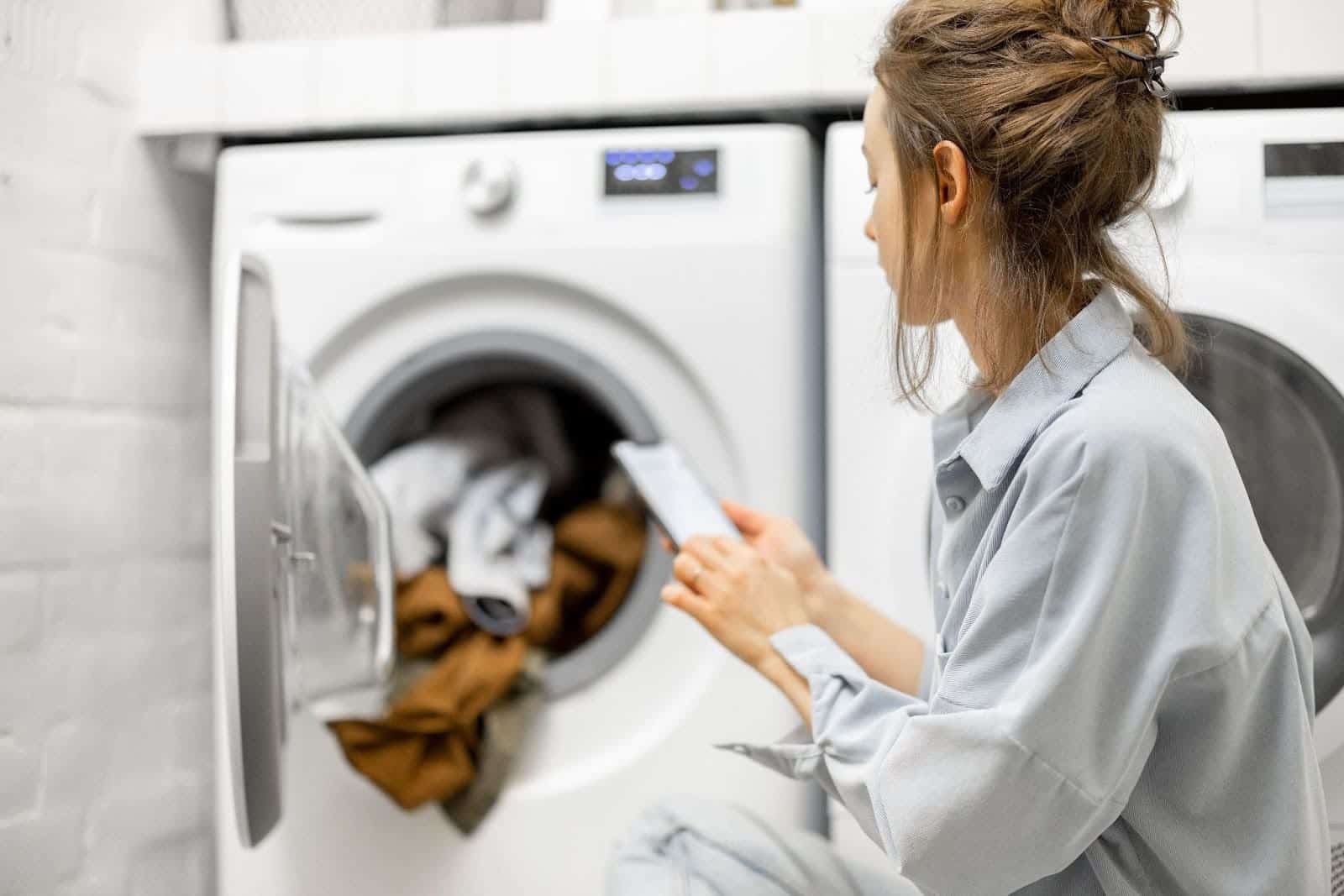
If your washing machine is making increasingly loud noises, shaking excessively, producing grinding or metal-on-metal sounds, stopping mid-cycle, or leaving water behind in the drum, it’s a strong sign that something more serious is happening internally. These issues often indicate failing components that can worsen quickly if ignored. At that point, professional washing machine repair is the safest and most effective way to diagnose the problem accurately, prevent additional damage, and restore your appliance to proper working condition.
Why Acting Early Makes a Difference
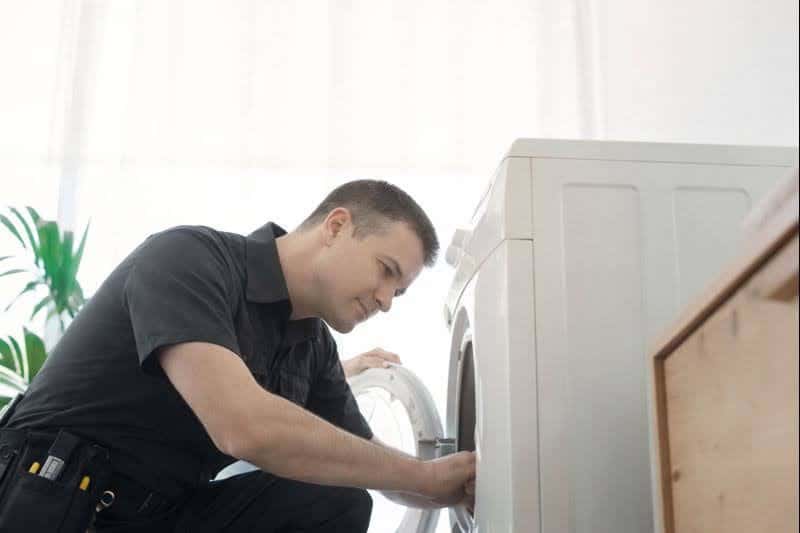
A noisy washer rarely fixes itself. What starts as a minor issue often becomes more expensive the longer it’s ignored. Early service can:
- Prevent component failure
- Reduce repair costs
- Extend the life of your washing machine
- Prevent unexpected downtime
If something doesn’t sound right, it usually isn’t.
When a Small Noise Becomes a Big Problem
Most washing machine failures start quietly. A new sound. A longer cycle. A vibration you assume is normal.
Over time, those small issues place extra strain on internal parts. What could have been a simple repair becomes a costly breakdown.
If your washer isn’t operating the way it used to, scheduling professional washing machine repair early can help prevent major damage and keep your laundry routine running smoothly.
Call (801) 731-4349 or book online. Same-day appointments available.